Bitcoin, Ethereum and Solana: How the Big Three Actually Differ
By NorwegianSpark Editorial — written with AI assistance and reviewed by the NorwegianSpark SA editorial team | Last updated: 2026-07-18
This article contains affiliate links. We may earn a commission at no extra cost to you. Full disclosure
Bitcoin: digital scarcity
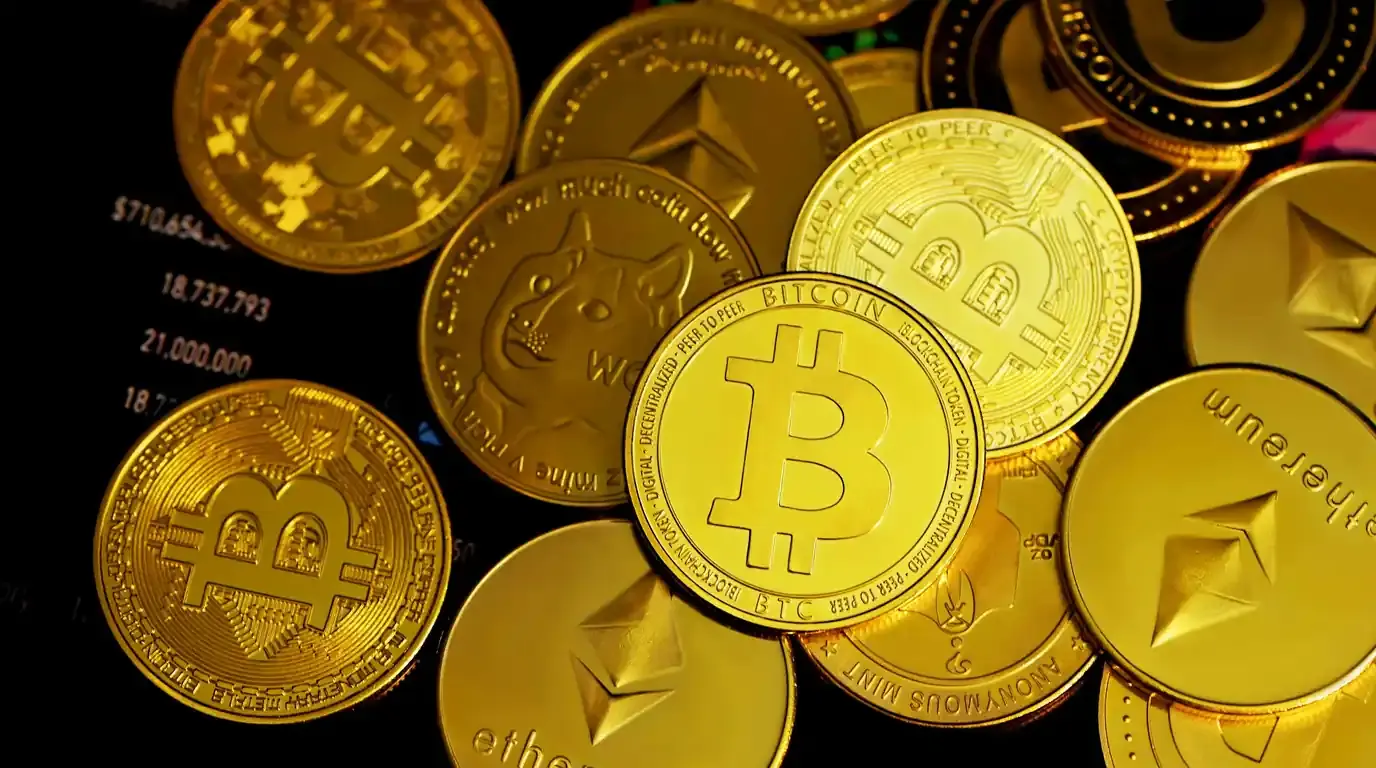
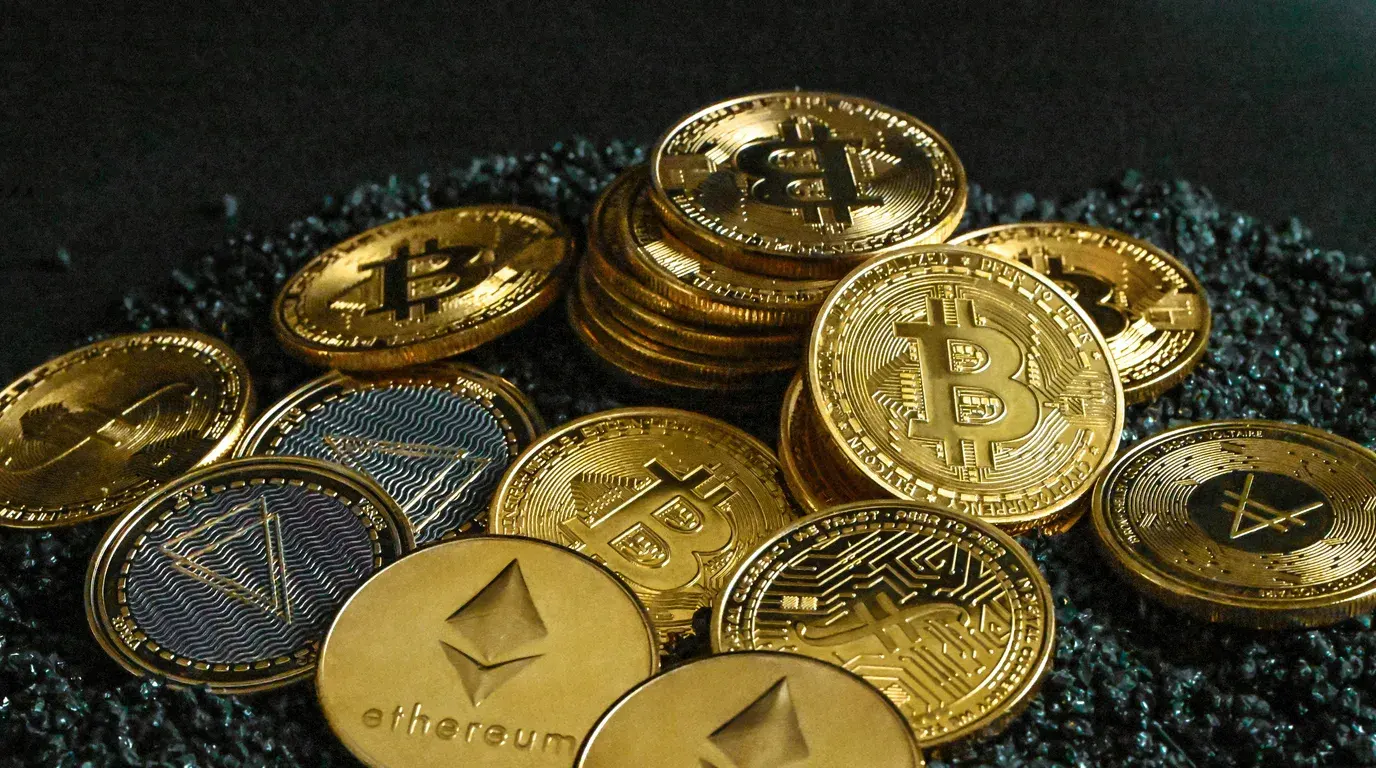
Bitcoin was designed to be one thing extremely well — a fixed-supply, decentralized store of value. Its capped supply and deliberately conservative design make it slow to change but hard to disrupt. Investors often treat it as the "reserve asset" of the space.
Ethereum: programmable money
Ethereum introduced smart contracts, turning a blockchain into a platform other applications run on — DeFi, NFTs, and most of the experimentation in crypto live here. That flexibility comes with more complexity and historically higher transaction costs, which ongoing upgrades aim to reduce.
Solana: speed and throughput
Solana prioritises high transaction speed and low fees, which makes it attractive for high-frequency applications. The trade-off has historically been a different set of decentralization and reliability questions compared to older networks.
| Bitcoin | Ethereum | Solana | |
|---|---|---|---|
| Designed to be | A fixed-supply, decentralised store of value | A platform other applications run on | A high-speed, low-fee settlement layer |
| The bet it represents | Hard money | A global computer | High-frequency applications |
| Strength | Capped supply; conservative design is hard to disrupt | Smart contracts — DeFi, NFTs and most experimentation live here | High transaction speed and low fees |
| Trade-off | Slow to change | More complexity and historically higher transaction costs | Different decentralisation and reliability questions than older networks |
What this means for you
These aren't just "coins" — they're competing bets on different futures: hard money, a global computer, or a high-speed settlement layer. Diversifying across them is not the same as diversifying risk, because they're all still crypto.
The Trade-Off Every Chain Is Making
Comparisons in this space read as feature lists when they are actually a single engineering trade-off expressed differently. Every design chooses a position between decentralisation, security and throughput, and gains in one are usually paid for in another.
| Emphasis | The cost of that choice | |
|---|---|---|
| Bitcoin | Conservatism, verifiability, credible scarcity | Deliberately limited programmability and throughput |
| Ethereum | Programmability, security of settlement | Base-layer cost and speed; complexity moves to layer 2 |
| Solana | Throughput and low cost in one layer | Higher hardware requirements to run a node |
None of those is a defect. They are different answers to the same question, and which one is right depends entirely on what the chain is for.
What to Look At Instead of the Marketing
- How hard is it to run a full node? This determines how many people can verify the
chain independently, which is what decentralisation actually means in practice.
- What is the fee market like under load? Every chain works when it is quiet.
- Where does security come from, and what would it cost to attack?
- How does the chain behave in failure? Historic outages and how they were resolved
say more than uptime marketing.
- What is the issuance schedule, and who currently receives it?
- Where is the developer activity, sustained over time rather than during an
incentive campaign?
Holding Them Is Not Diversification
These are correlated assets in the same sector, and treating a split across three as a diversified position is the common error — the point made in crypto portfolio construction. Holding the layer 2 tokens of a chain you already hold compounds the same exposure again.
Real diversification here comes from outside the sector. Inside it, the useful question is not how many you hold but how large the whole position is relative to everything else you own.
Practical Differences You Will Actually Feel
- Fees and finality, which determine what is comfortable to do at all.
- Wallet and tooling maturity, which determines how easy it is to make an expensive
mistake.
- Where the applications you want actually run. Liquidity and applications
concentrate, and being on the wrong chain means bridging — with all the risk described in the Ethereum layer 2 guide.
- Staking mechanics, including lock-up and unbonding periods, which are a liquidity
decision rather than a yield decision — see crypto staking explained.
Capital at risk. This is general information, not financial advice.
The bottom line
Crypto is highly volatile and none of these is a guaranteed winner; allocation should reflect risk you can stomach. To understand how on-chain activity reveals which networks are actually being used, see our companion piece on on-chain analysis — and for AI tools that help track these markets, NeuralPuls reviews the analysis platforms worth using. If you're building exposure across all three, Coinbase and Bybit both list spot markets for BTC, ETH and SOL.
Capital at risk. This is not financial advice.
Content on AICryptoCoin is for informational purposes only and does not constitute financial advice. Always do your own research and consult a qualified financial advisor before making investment decisions.